
Safwan Dahoul on
his Paintings—the Dream Series, the Notion of a Dream, Drawing Emotions,
the Self and the Universe, Art as a Universal Language,
and his Journey into Art
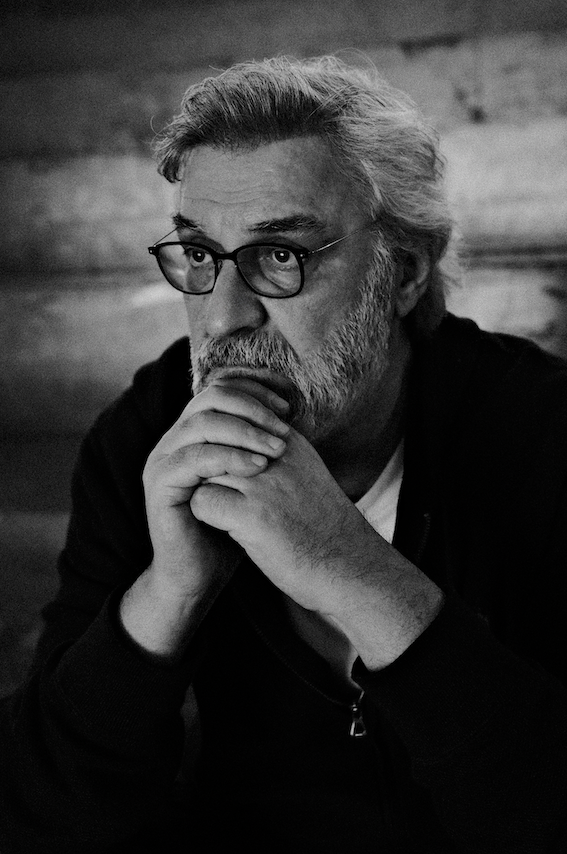
Safwan Dahoul, Portrait Image by Sari Dahoul
Upon viewing Safwan Dahoul’s work, one can’t help but feel the emotions of his figures, the tensions, the sadness, their contemplation and their longing, as we, the viewer reflect on the thoughts that the figures might be processing, their contorted bodies seem to be searching for safety, protection, hiding both in plain sight and in shadows, finding a sanctuary in their own folded bodies, safety from the world, sitting wary and guarded, figures proceeding in caution with their tilted heads featuring a prominent eye.
An eye that could suggest an eye for protection, and it is the eye of Ancient Egypt, the Eye of Horus that represents healing and protection that takes over Dahoul’s figures carrying the spiritual realm, a historical reference that lives through these figures, their souls relaying about that through the artist’s brushstrokes bringing forth the historical element into the now and into the future, merging past, present and future into one, a circle of time.
Time flows in Dahoul's paintings like an ethereal feeling, it embodies the duty of protector, the job of a healer, rendering time endlessly moving through the painted figures, no beginnings and no ends but brushstrokes exposing a multitude of feelings. The figures from Safwan Dahoul’s Dream series, their pleated bodies represent both positive and negative attributes of a dream, of our world, of our universe—a universe that may come from within the painted figure shown to us out onto the canvas, tinged with emotions, melancholy, as the artist dives into the psychological effects of solitude and alienation as well as the subconscious trying to handle the consequences of life that include mourning, political conflict, and loneliness, handing over to art the power of survival and expression.
Renowned artist Safwan Dahoul has developed his Dream Series since the 1980’s, exploring the dream state through monochromatic works, drawing emotions through a sense of disproportionate anatomy, his large-scale figurative paintings are monumental and enthralling.
The figures represented by a women spanning the artist’s series, showcase an internal conversation, placed in austere interiors, the Dream series compositions wrestle between freedom and either feeling trapped or safe—sentiments that can be felt by many though on different levels, moving the viewer of Dahoul’s paintings to contemplate both on the self and the world, our relationship with ourselves and with the universe; as though the figures are significant and imposing in structure, their energy transcend time, transcend our constructed world. The eye that takes over the figure lead us to its soul, where freedom is not bound by a canvas or by a world, but lives within Dahoul's figures.
Safwan Dahoul’s latest body of work was shown at Ayyam Gallery in Dubai with his exhibition, ‘The Eye: An Aperture into the Soul’, it followed a solo museum exhibition ‘Genealogy Study of Artists No. 20’ at The Start Museum in Shanghai, China.
Dahoul was born in Hama, Syria, trained by leading modernists at the Faculty of Fine Arts, University of Damascus and earned a Doctorate from the Higher Institute of Plastic Arts in Mons, Belgium. On his return to Syria, Dahoul taught at the Faculty of Fine Arts and was a prominent member of the Damascus art scene. He has widely exhibited and his paintings are held in numerous private and public collections, including the Institut du Monde Arabe, Paris; Barjeel Art Foundation, Sharjah; National Museum, Damascus; The Samawi Collection, Dubai; The Farjam Collection, Dubai; the Arab Fund for Economic and Social Development, Kuwait.
We spoke to Safwan Dahoul on his fascinating paintings that convey and propel reflection and profound thought, on the notion of the dream, on time merging, on the self and the universe and his journey into art...
What first drew you to art? Was there a particular artwork you saw or an experience you had which made you think that art was the path you wanted to take?
As children most of us love to draw and at my school art was fun; the different colours and the paints, it was a joy.
My first inclination or influence towards art were my teachers at school, because I liked them. A teacher is very important in a person’s destiny.
I revelled in the atmosphere of the art room, school for the day would end, but my friends and I, we would stay on longer to continue with our art.
We each make decisions at school on which subject we prefer, and it's a young age to do so, so that element of destiny does play a big role in our lives, as do whether our parents are supportive or not.
There are many children who love to draw, who love art, but their parents are not keen for them to go down that path, they would prefer the child do be a doctor or an engineer, and the child might go on to do what the parents want because they don’t have the choice to say I want to be an artist, they might have been a great artist but that wasn’t the path they were allowed to take. This happened to many of my friends, yet when we were young, I thought they were the better artist. But eventually they studied medicine, whereas I remained stubborn and pursued art and I was lucky enough that my family were supportive of my choice.
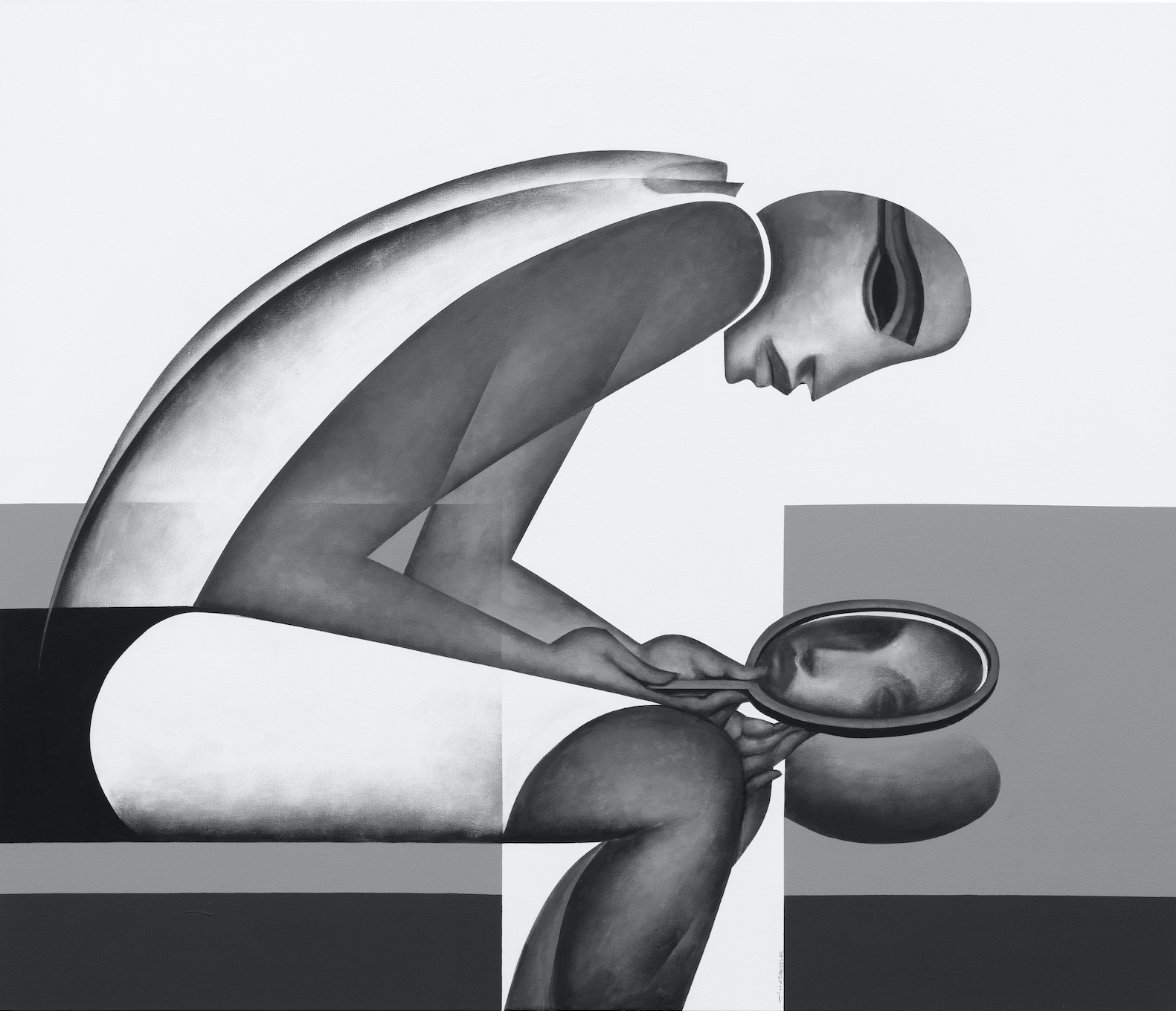
Safwan Dahoul, Dream 286, 2025, Acrylic on canvas, 120 x 140 cm
You studied and then taught at the Faculty of Fine Arts and were part of the Damascus art scene, can you tell us a bit about that period of your life?
I was told that being accepted to the Faculty of Fine Arts in Damascus was really difficult because about 2000 students apply and they only take 150 applicants.
My mother and I went to Damascus, she was very encouraging of me, I remember very clearly how we traveled by bus, it’s a long way from Hama and it was only the second time in my life that I had visited Damascus, and for me it was like entering a completely different world.
Luckily I was accepted to the Faculty, but I didn’t really enjoy the first year because it was compulsory for us to study all arts and in my mind I was there to be a painter, I didn’t feel like trying out other art forms such as gravure, decoration and so forth, however I now think that it was accurate to teach us different types of art.
That first year I was also struggling with the pressure and stresses of living in a city I didn’t really know and without my family. I didn’t have a place of my own and it was difficult for my parents to help me find somewhere. What kept me going was my ambition and dedication to art.
Circumstances were not easy, myself and others went through a really tough phase, we didn't have access to international media, we had artistic books but to discover the artists of the world, we had to visit the library.
I came to Damascus not knowing of any artist except for my friend's brother. I recall when we were younger we used to try to see some of his art, as he would open his door, I would catch a glimpse of his small landscape paintings and it was as if I was in a museum. There wasn’t that global exposure or connection there is now.
After I graduated, I entered a competition that for my luck I won. I travelled to Belgium earning a Doctorate from the Higher Institute of Plastic Arts in Mons.
Luck and destiny. Luck makes its way to everyone, but we also need to see it. If we see the opportunities that surround us, luck will be by our side, otherwise it will come and go elsewhere.
I lived in Belgium for 5 years studying the arts and came back to Syria to teach at the Faculty.
Art is not just about the self, an artist in the world who enjoys drawing or painting, it’s also about what one is offering in art and in life as well; that's important. My studies have allowed me to live in a creative atmosphere which I love; art is in my heart. That environment, the art scene, I discovered at the age of 18 years old and it was full of hope and honest people.
The students I taught, we progressed together, they were once my students now they are my friends and they have become known for their art.
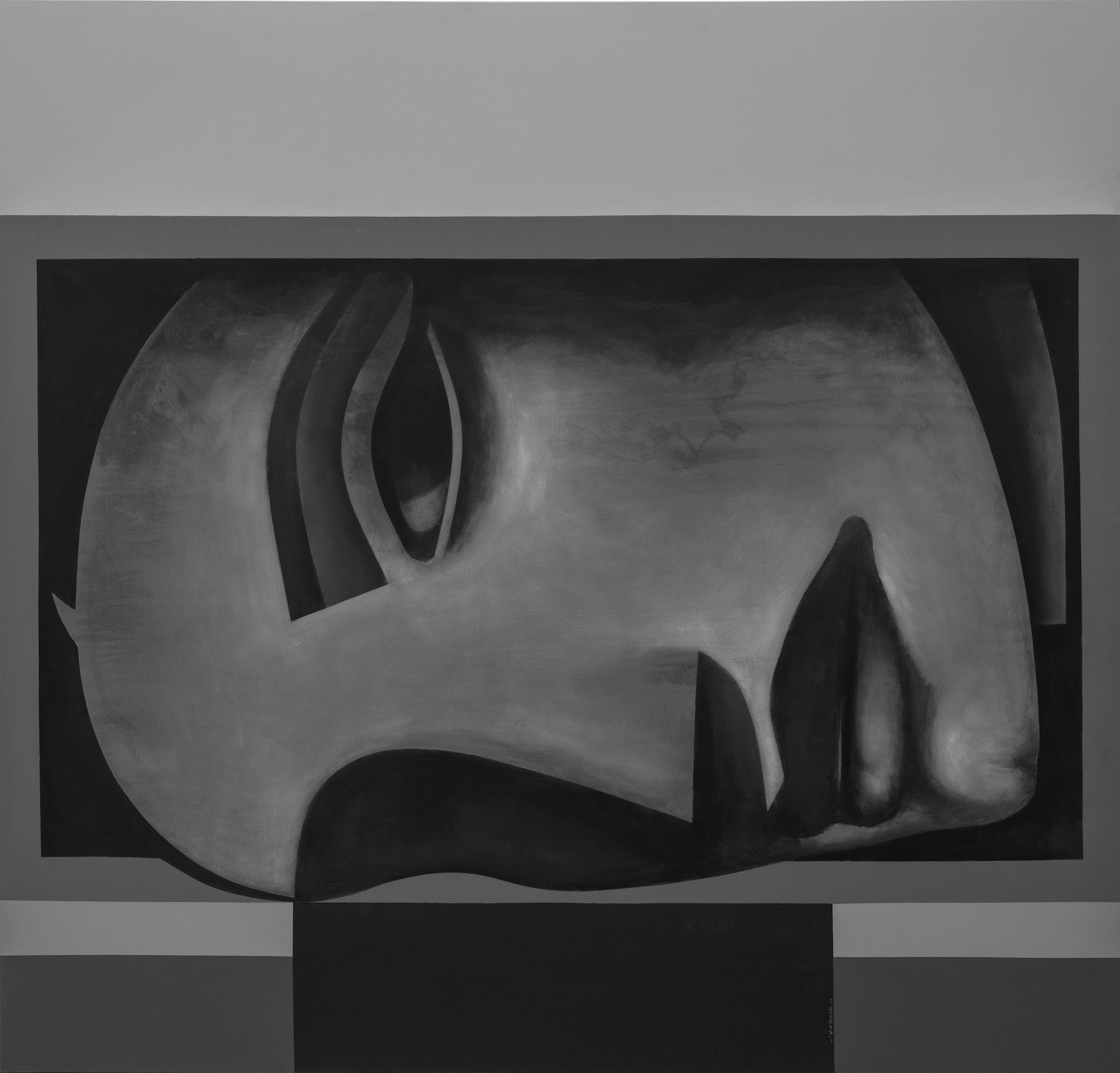
Safwan Dahoul, Dream 284, 2025, Acrylic on canvas, 200 x 220 cm
Alongside luck and destiny, is your great artistic talent. I know you don’t like to elaborate on the meaning behind your paintings, but what led you towards painting a ‘Dream’ and starting your series?
When one starts drawing, even previous to being taught it at a university level, there is an essence in the art that looks like the artist. Some artists or even children like drawing people, others might like to paint landscapes, why one goes towards something in particular can be happenstance or predestined and remain a mystery to oneself; it’s like any discipline, for instance why does Umm Kulthum sing a certain way and Fairuz another? It's the same thing for a painter, everyone has a voice that concerns them.
So for me, from the very beginning, I don't know the initial reason but my art from within me, would lean towards depicting humanity. The human was and is the most important feature in my paintings.
I remember I wrote 'a dream' behind a painting, only because it was a dream I had had, and a reoccurring one, why it was reoccurring, I don’t know, but I saw myself and three people behind my head; at the time I drew them as angels.
Dream is one word, it’s one word but it carries much more than a word.
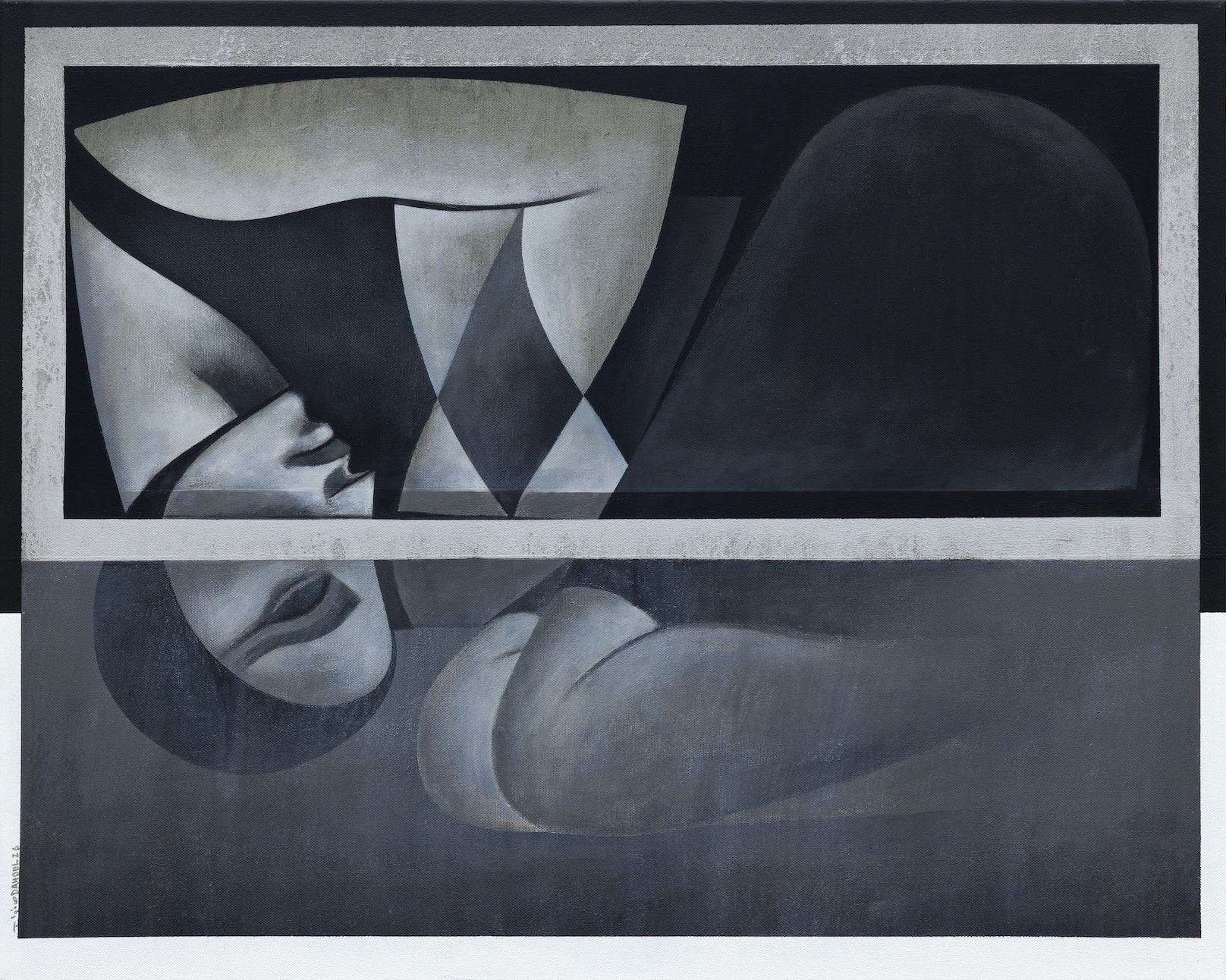
Safwan Dahoul, Dream 277, 2026, Acrylic on canvas, 60 x 80 cm
The paintings feel beyond the notion of time, there are many sentiments, we are faced with a dream in between tension and release, with no beginnings and ends, there are questions and elements of metaphysics.
I'm viewing my paintings from a different perspective, and that makes me happy. If I had given a thorough explanation on what my paintings are about, I feel that would be selfishness from my part because I would be forcing the viewer to see in a certain way.
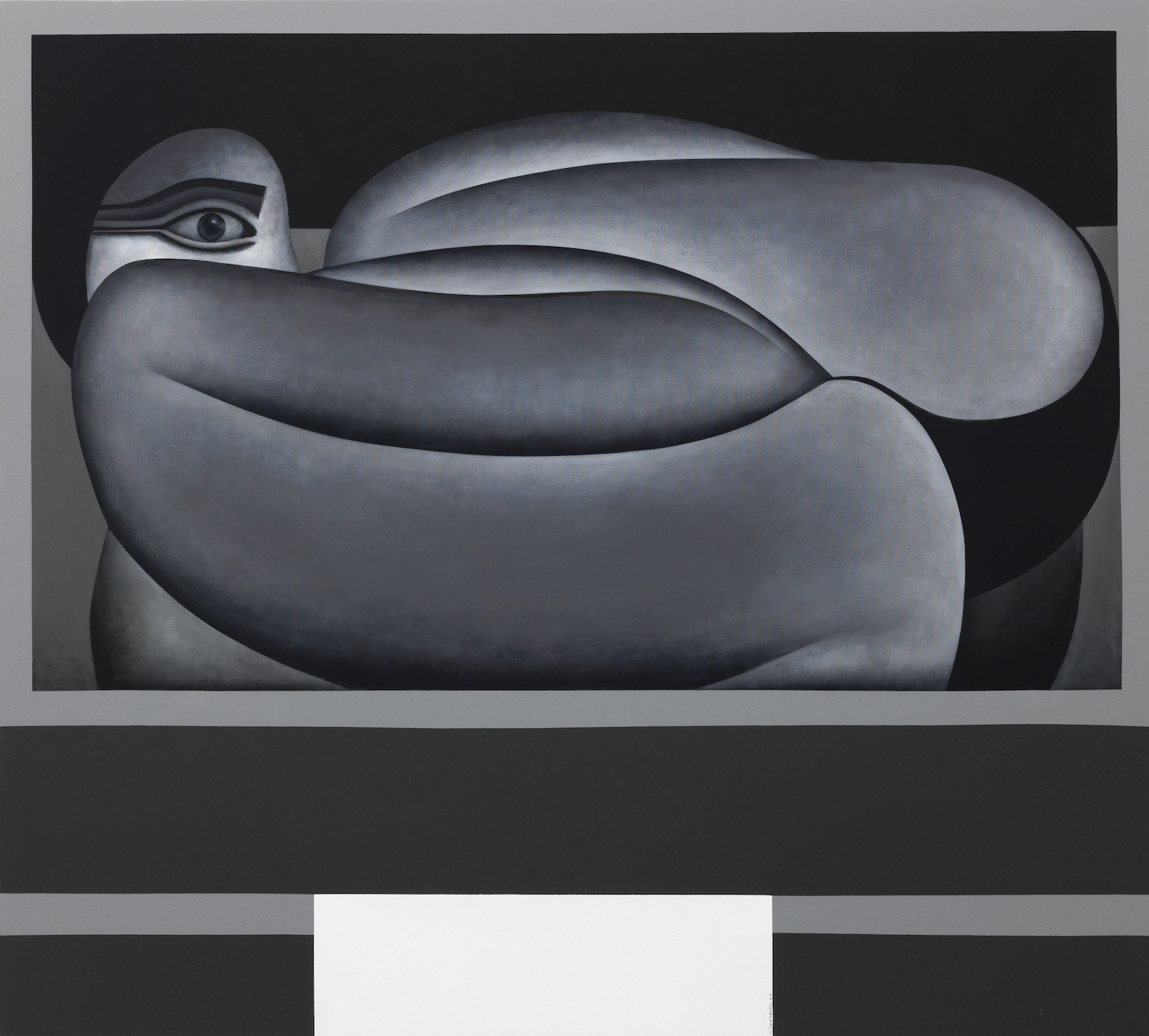
Safwan Dahoul, Dream 280, 2025, Acrylic on canvas, 180 x 200 cm
The eye is very present in your paintings, in its artistic shape it recalls the art from Ancient Egypt, but the eye in your art, does it carry that definition? Is it in relation to history, a protective eye, an eye watching over us, or surveillance/big brother or perhaps about the third eye?
I first visited Egypt in 2010, I remember travelling there apprehensive that I will be seeing the original art of Ancient Egypt; I thought to myself, how am i going to see this art not in a book, not in print, but stand in front of such greatness!
I look into the soul of that art, not just the shape of an eye or a body, but its strength and power.
That eye has become the eye of the body I draw. And I purposely don't respect proportions, the anatomy I depict is exaggerated or not proportionally correct, as it's about emotions and expression. I draw what I feel, not how something presents itself.
I understood that from the art of Ancient Egypt, its had many descriptions but none compare to when you see it all in person, it feels different. An artist is the child of this history, not just of this moment, but a child of the past, of the present and of the future.
Like in your paintings, time flows through and around your figure. The emotions are universal.
I don’t directly think of that when painting, the figures from the Dream series emerge through.
A contemporary artist has their own identity that fuses different elements, and art is completely separate from all modernity versus tradition, it goes beyond that. An artist is not an artist from this or that country, an artist is a child of the universe from the universe.
During my exhibition in Shanghai, China, the director of the museum asked me if had any relationship to East Asia, I told him I didn’t, because I don’t, but I know from inside my heart that I love Buddhist art and the Buddha, and there’s something within me that is Buddhist.
An artist should exhibit all over the world, from Syria to Dubai, as well as in Paris, Brazil, Japan and so forth, that should be the language one speaks as an artist, it should be a universal language for all to understand.
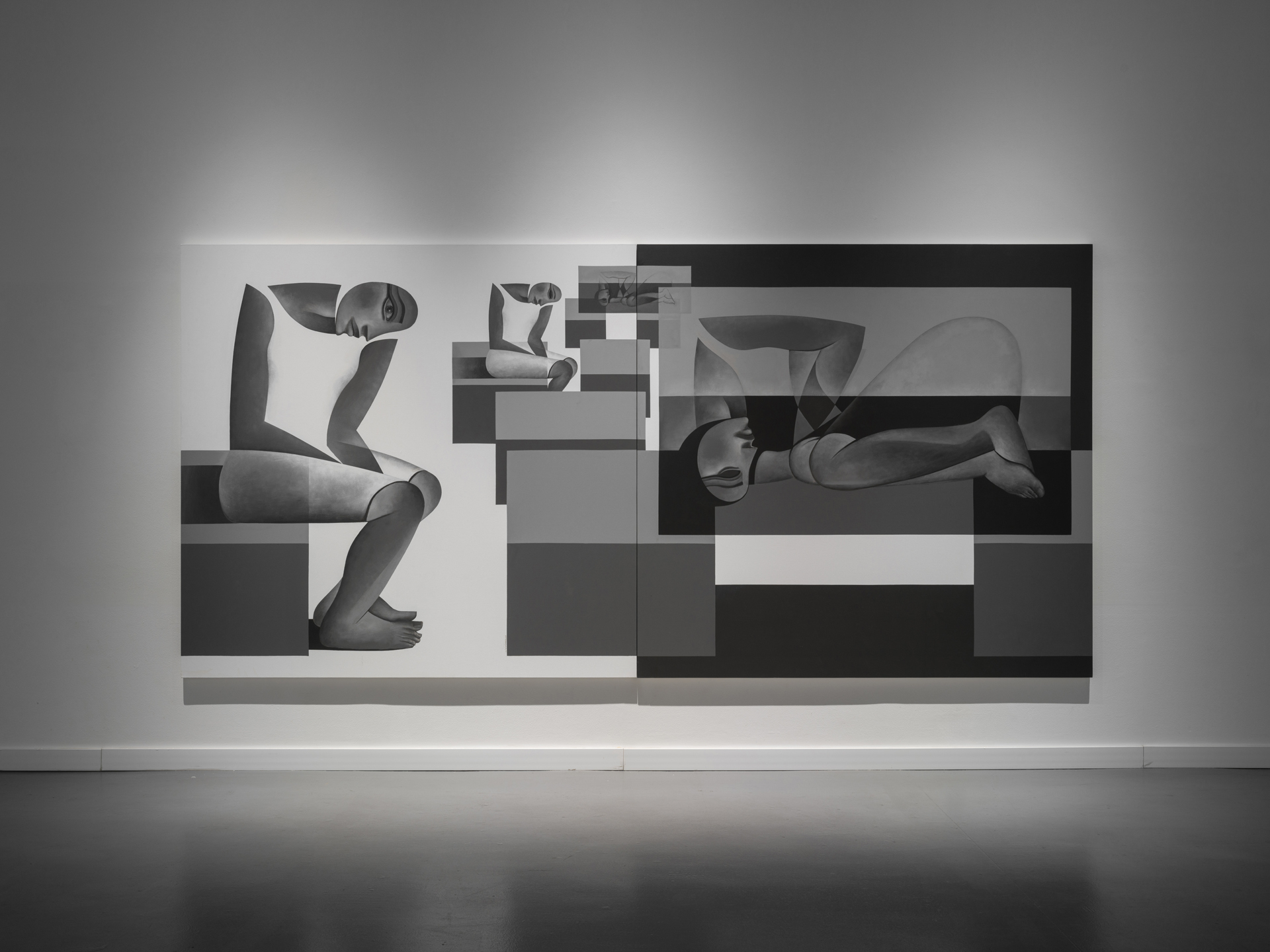
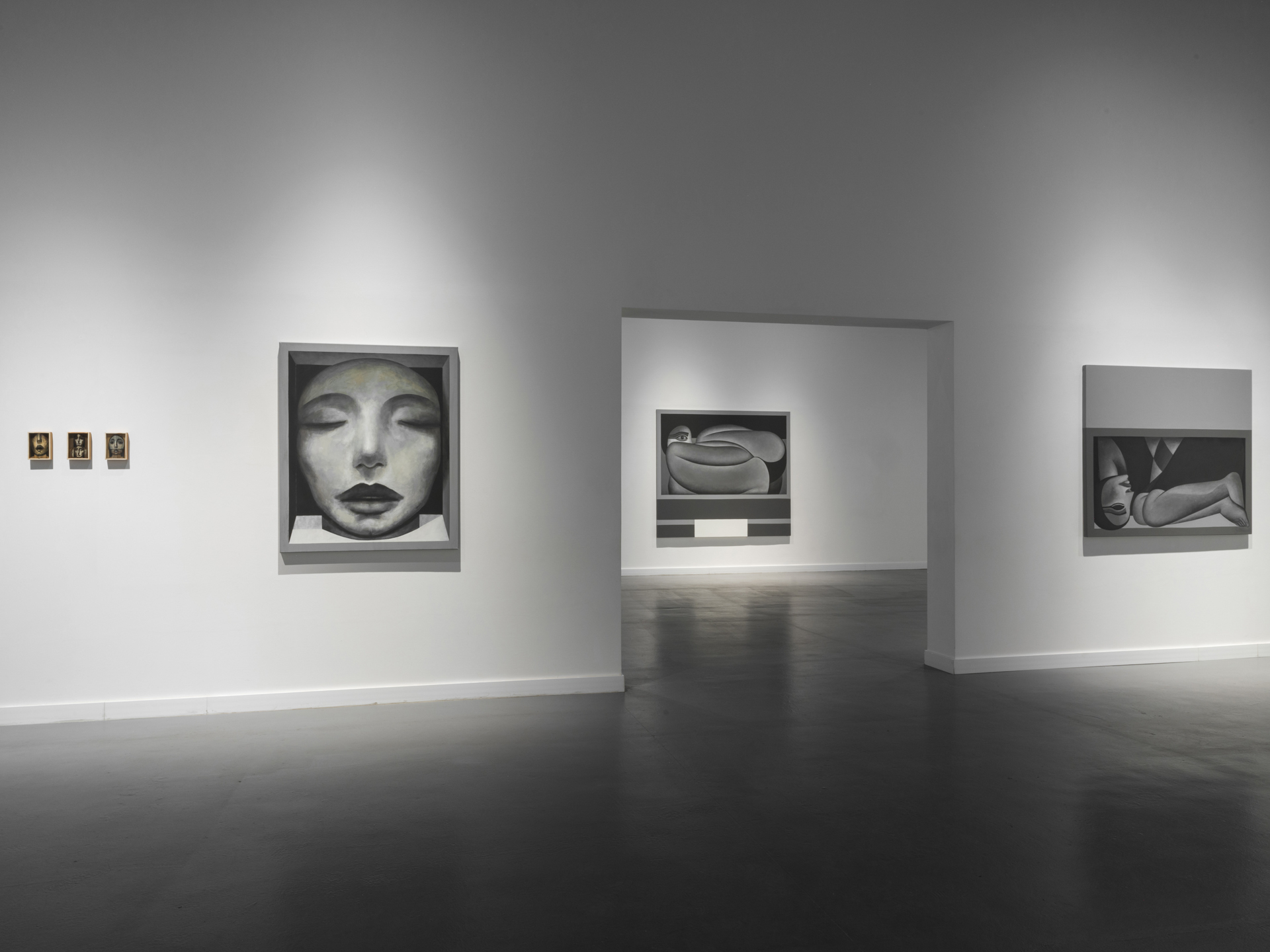
Safwan Dahoul, Works from the Dream Series, exhibition The Eye: An Aperture Into The Soul, at Ayyam Gallery, Dubai, 2026
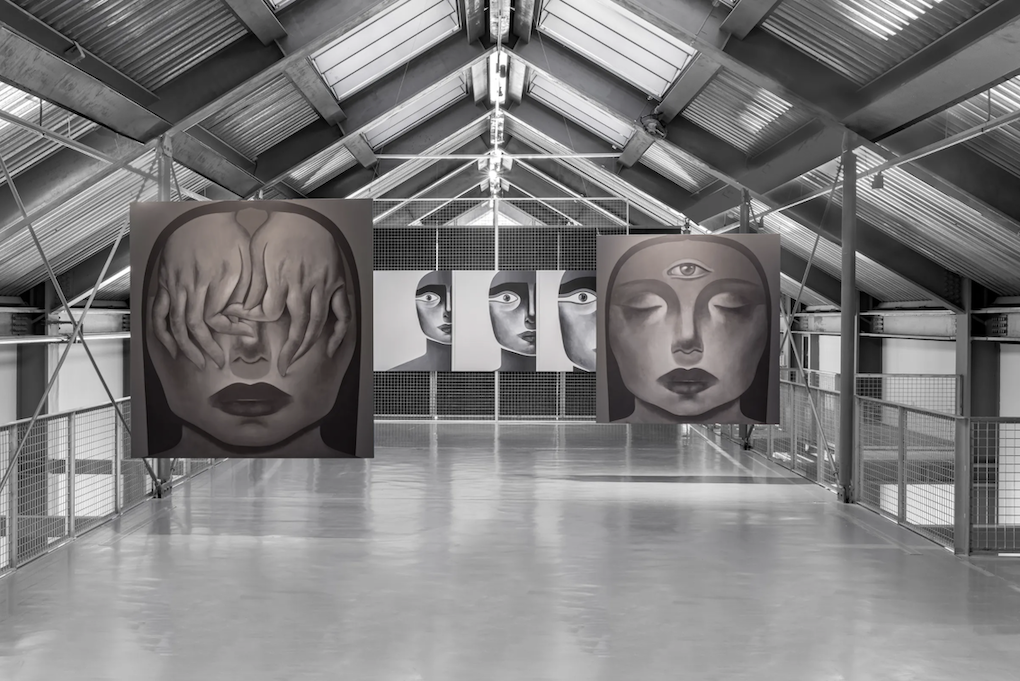
Safwan Dahoul, exhibition: Genealogy Study of Artists No. 20: Safwan Dahoul at the START Museum in Shanghai, China, 2025
The figures in your Dream series transmit out intangible elements
We are on earth as a beacon of trust, we are born with a contract of trust towards the universe and none of us should depart this world without leaving a meaningful aspect behind us in regards to our connections and our souls. I think that is my understanding of what is spiritual.
Art can be spiritual and may leave behind traces, voices and perspectives
It’s not important if someone is an artist or not, we could be talking about any discipline that a person is working in, but each of us should try to do our part to help our world, we should keep our word and the trust the world and the universe placed into us, we should uphold it so we can work towards handing this world in good shape or better condition to our children and them to their children, and so it continues.
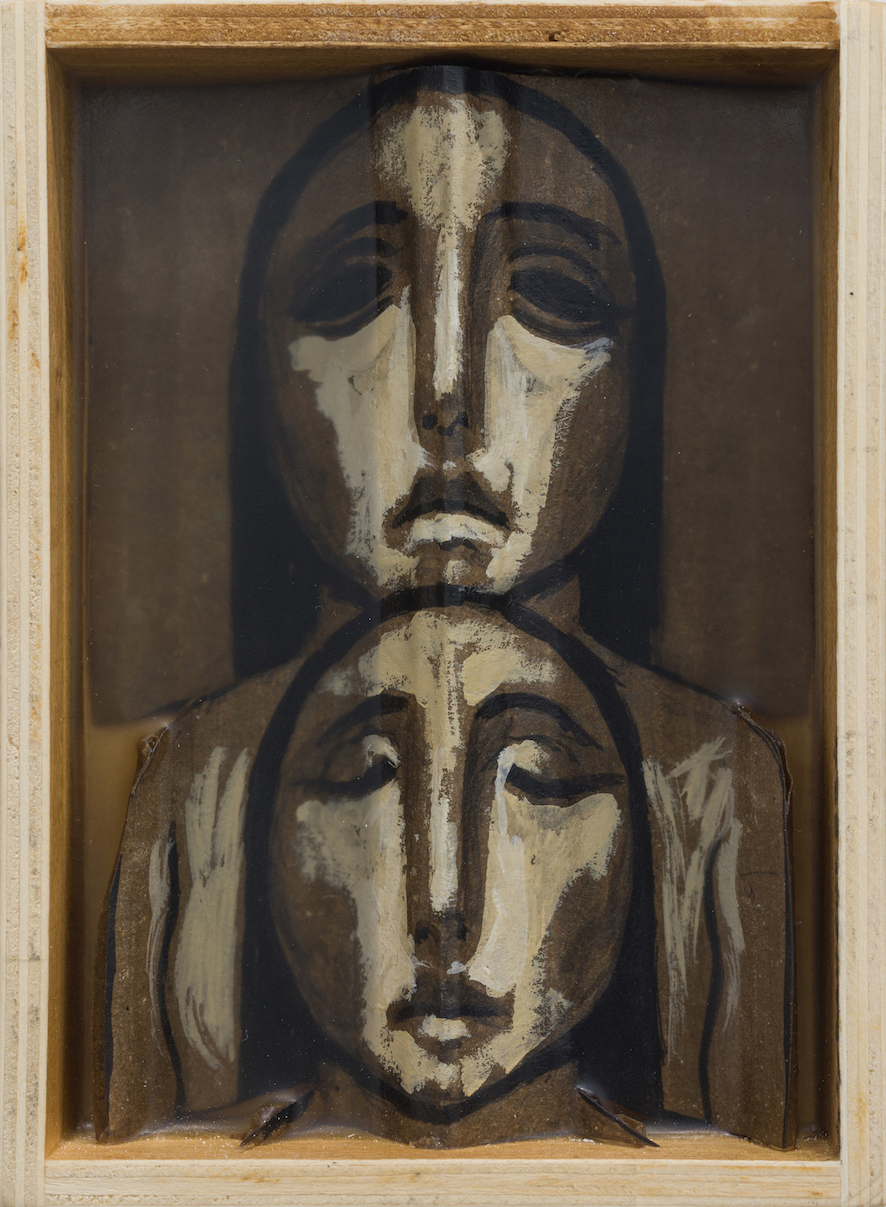
Safwan Dahoul, Dream 256, 2025, Mixed media on wood, 15 x 11 x 3 cm
https://www.ayyamgallery.com/artists/30-safwan-dahoul/biography/
Pictures courtesy of Ayyam Gallery , Artworks © Safwan Dahoul
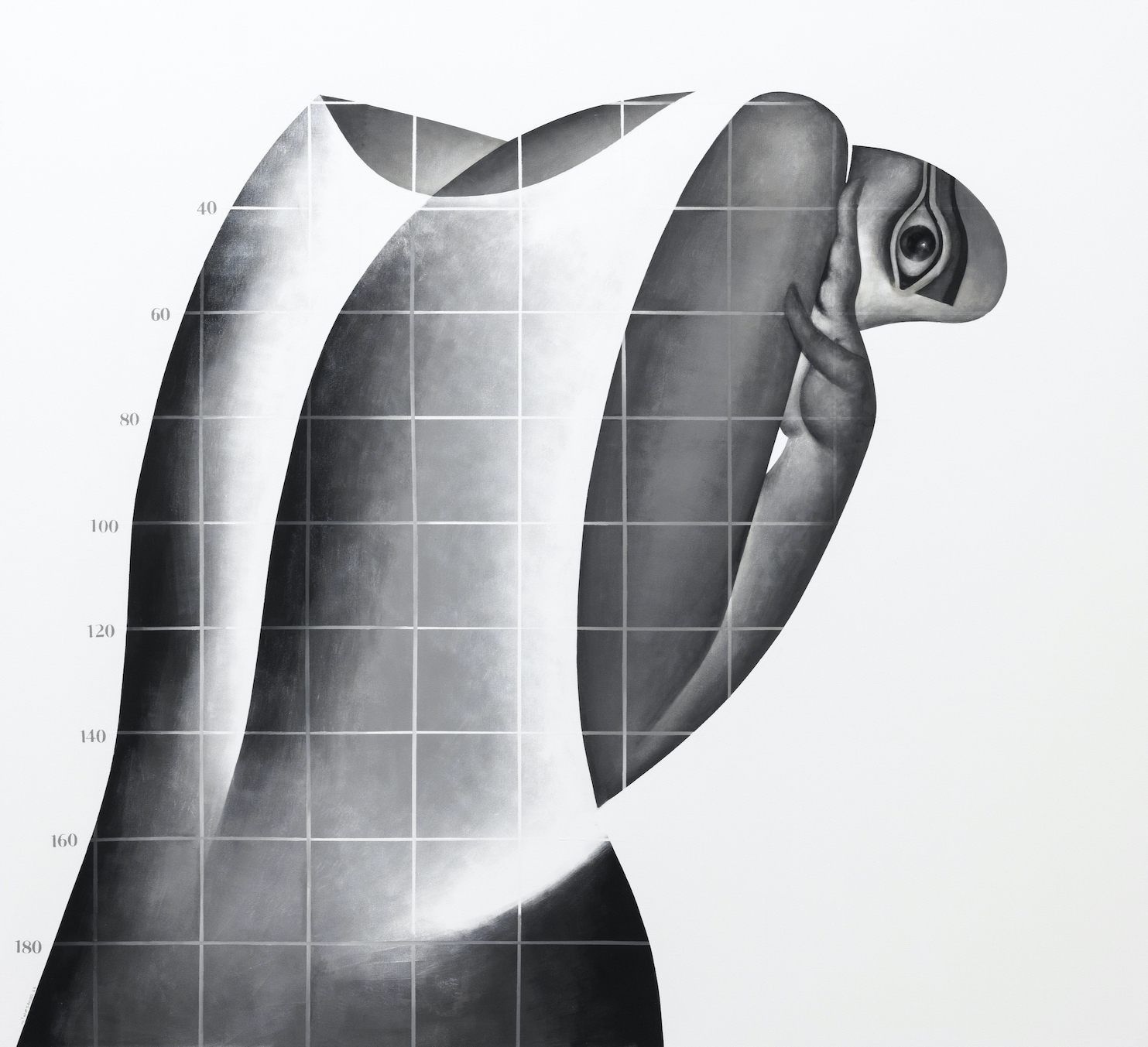
Safwan Dahoul, Dream 282, 2025, Acrylic on canvas, 200 x 220 cm